Crowdfunding vs. the Lottery Mindset: Pre-Validated Launches
A lottery ticket and a crowdfunding campaign can look strangely alike. You pay a small amount, wait for a draw, and hope for a life-changing result. The difference lies in whether you have done anything to change the odds. Played well, crowdfunding is one of the strongest forms of validation there is. Played as a lottery, it mostly produces disappointment.
The lottery: a known, negative bet
Lotteries are honest about their odds, if you look. The chance of matching all numbers for the Powerball jackpot in the US is 1 in 292.2 million. State lotteries typically return only around half or a little more of ticket sales as prizes, the rest going to government programmes and costs, so the expected value of a ticket is firmly negative. People buy tickets for the dream, not the maths, and that is a perfectly reasonable thing to spend a few dollars on. It is not a business strategy.
The "lottery launch"
The startup version of a lottery ticket is the launch with no prior validation: build the product, post it on a launch site or a crowdfunding platform, and hope it goes viral. Occasionally it does, and those stories get retold for years (see survivorship bias). Most of the time, nothing much happens, and the founder concludes, wrongly, that the idea was bad, when in fact it was never tested in front of the right people.
Crowdfunding's real odds
Kickstarter, which uses an all-or-nothing model (backers are charged only if the project reaches its goal), publishes its own statistics; historically, only around two in five projects have reached their funding goals. Those odds are dramatically better than a lottery's, but the averages hide a pattern that matters more: projects that arrive with an audience, a mailing list, a community, press interest, tend to succeed, while those that rely on platform discovery tend not to.
Pebble: validation in public
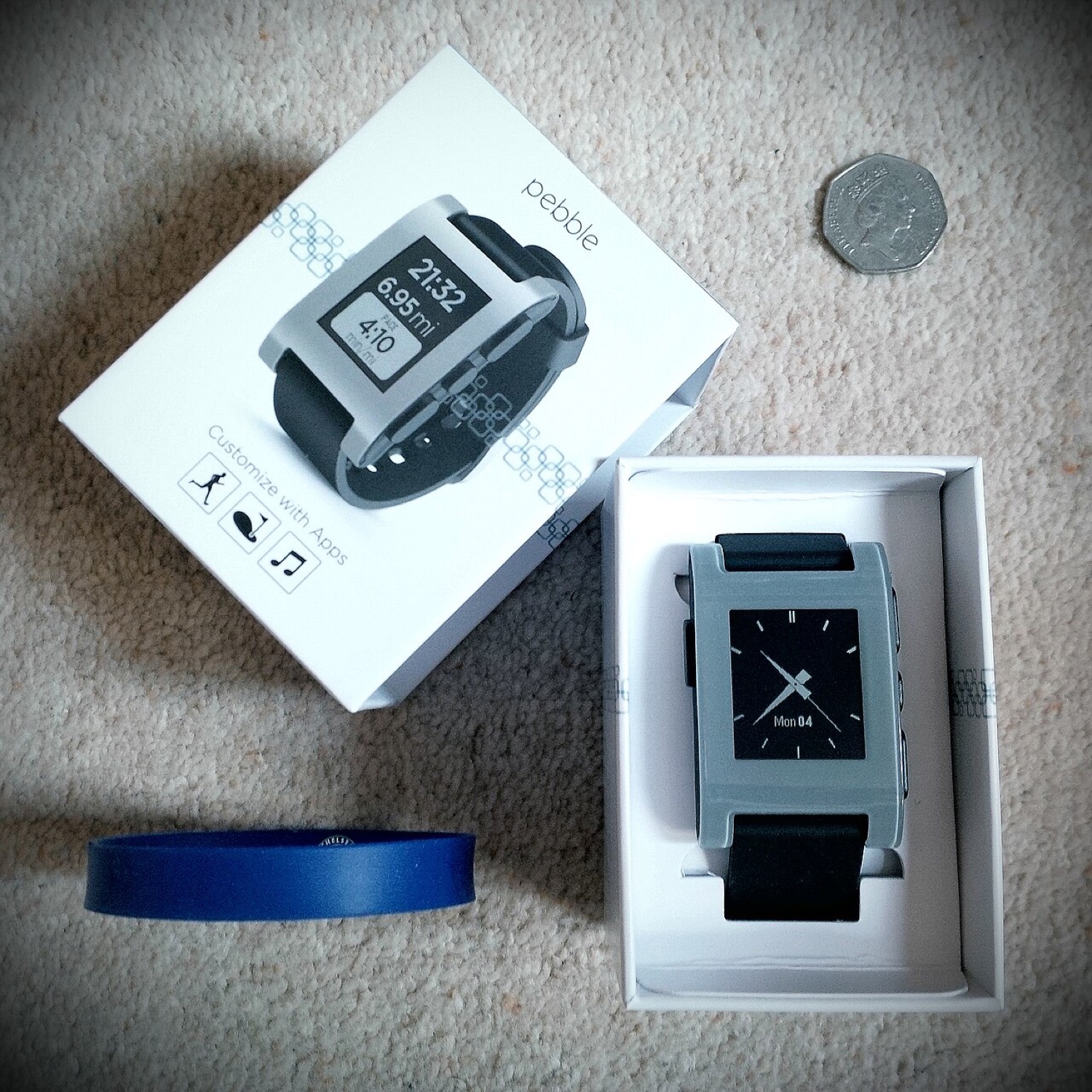
In 2012 the smartwatch maker Pebble turned to Kickstarter after struggling to raise venture funding. It asked for $100,000 and raised more than $10 million from roughly 69,000 backers, then one of the largest campaigns the platform had seen. A later campaign for the Pebble Time in 2015 raised over $20 million. The first campaign was a textbook pre-sale: real money, a clear product, a delivery date, and a public demand signal that no investor presentation could match. It also showed the limits of validation; the company still had to manufacture at scale and compete with much larger rivals, and its assets were sold to Fitbit in 2016.
How to change the odds
- Build the audience before the campaign. A waitlist from a smoke test is a ready-made first wave of backers.
- Pre-sell to individuals first. If you cannot sell to 20 people one by one, a campaign page will not sell to 2,000 strangers (see pre-sales and deposits).
- Set an honest goal. The goal should cover real production costs; a low goal that is "won" can bankrupt you on delivery.
- Plan the first 48 hours. Early momentum makes a campaign visible on the platform and to the press.
- Price for margin. Rewards, shipping and platform fees eat more than first-timers expect.
Equity crowdfunding and raffles
Equity crowdfunding goes a step further: backers buy a stake in the company. In the US, Regulation Crowdfunding took effect in 2016, allowing start-ups to raise limited amounts from ordinary investors through registered portals, and the UK has had equity crowdfunding platforms since the early 2010s. Investors here are making a genuine bet, with high risk and the chance of losing everything, so issuers face disclosure rules.
Charity raffles and prize draws sit at the other end of the scale: they raise money through chance, and in many places they are tightly regulated for exactly that reason. If you are tempted to add a prize draw to a product launch, check the local rules first. And if you are thinking about the odds of your own venture, our guide to startups as bets shows how to tell a good bet from a lottery ticket.