Landing-Page Smoke Tests: Measuring Demand Before You Build
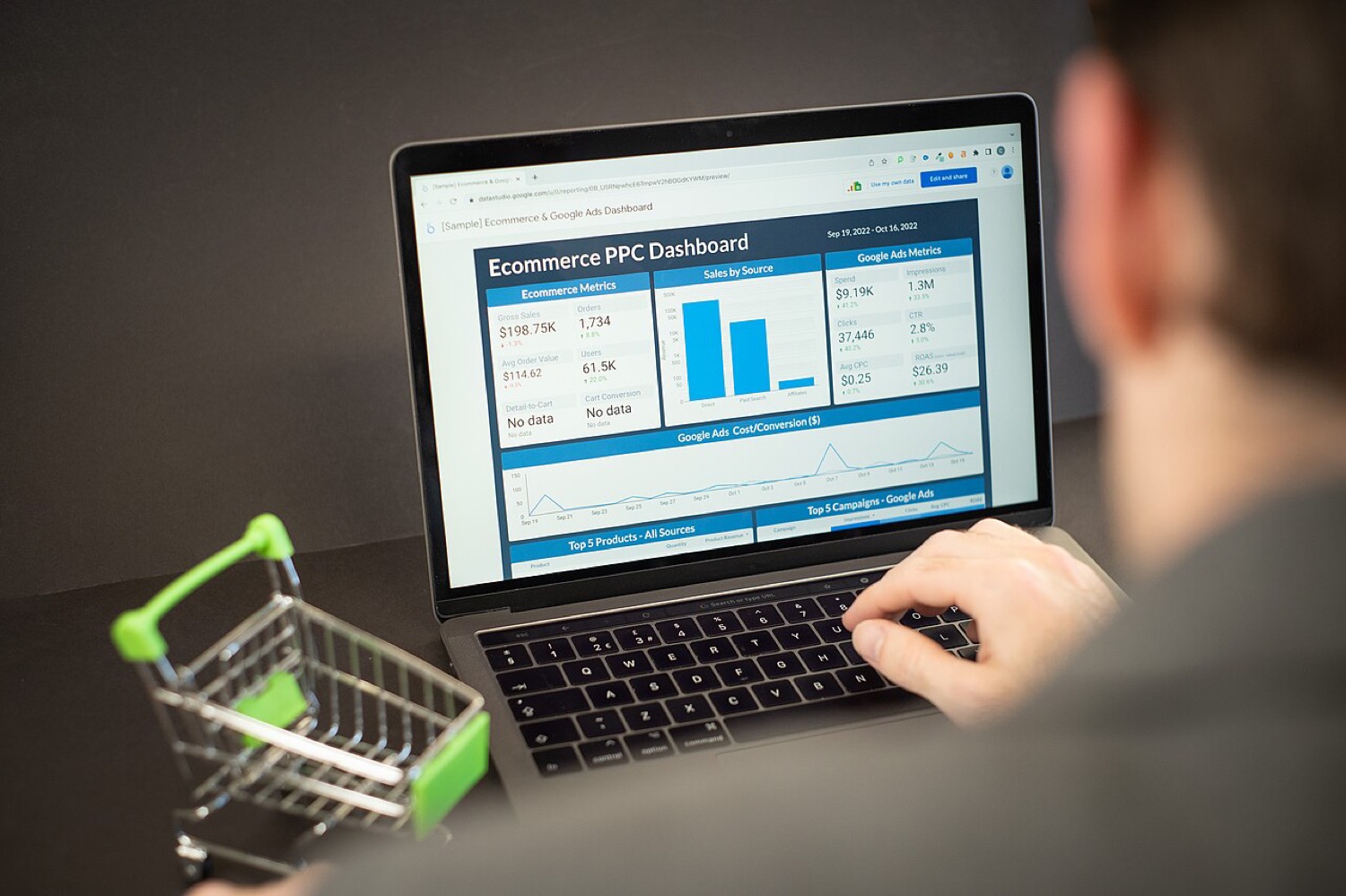
A smoke test asks strangers to take a real step towards a product that does not exist yet. You describe the offer on a simple page, send targeted traffic to it and count how many people sign up, request access or click "buy". It is the fastest way to move from what people say to what they do.
Two famous examples
When Joel Gascoigne was testing the idea that became Buffer in 2010, he put up a page describing the product with a button to see plans and pricing. Clicking through led to a pricing page, and choosing a plan led to a message explaining that the product was not ready yet, with a box to leave an email. People who got that far had shown interest twice: first in the idea, then in paying for it.
Dropbox took a different route. Before the product was widely available, Drew Houston published a short demo video aimed at an early-adopter tech audience. According to Eric Ries's account in The Lean Startup, the beta waiting list jumped from around 5,000 to around 75,000 people almost overnight. The video tested demand for something that was hard to explain in words and expensive to build.
What goes on the page
- A specific promise for a specific person: "Invoices for freelance translators, paid in two clicks", not "smarter finance".
- Three or four concrete benefits, written in the customer's words from your interviews.
- A price or price range, if you can. A sign-up with a price attached is stronger evidence than one without.
- One clear call to action: join the waitlist, request early access, pre-order.
- An honest follow-up. If someone clicks "buy" on a product that does not exist, tell them so straight away and offer early access or a discount. Fake doors are fine; deceiving people is not.
Getting the right traffic
Traffic from friends or a general social post tells you little. Use channels that reach your target segment: search ads on problem keywords, ads targeted by job title or interest, posts in niche communities (within their rules) or a newsletter sponsorship. Keep the budget small and fixed, often a few hundred dollars or the local equivalent is enough for a first read, and tag each source so you can compare channels.
Reading the result like a bettor reads odds
Suppose 300 targeted visitors produce 12 sign-ups. The observed conversion rate is 4%, but that is only an estimate of the true rate. Treat each visitor like a spin with an unknown probability of landing on "sign up". With 300 spins, a standard 95% confidence interval for that probability runs from roughly 2.3% to 6.9%. If your business needs 5%, this test has not told you yes or no; it has told you to run more traffic.
| Visitors | Sign-ups | Observed rate | Approx. 95% range |
|---|---|---|---|
| 100 | 4 | 4% | 1.6% to 9.8% |
| 300 | 12 | 4% | 2.3% to 6.9% |
| 1,000 | 40 | 4% | 3.0% to 5.4% |
Set your pass mark before launch, and remember that conversion benchmarks vary enormously by channel, price and industry. Compare against your own economics, not someone else's average.
Who does this best? Gambling affiliates
If you want to see landing-page testing at industrial scale, look at the online gambling industry. Casino and sportsbook affiliates, the publishers paid by operators for each depositing player they refer, live on the conversion rate of their pages. Many test headlines, bonus wording, layouts and even the order of operators in a comparison table continuously, because a small lift in the share of visitors who register and deposit can change their income dramatically under revenue-share deals.
The lesson for founders is not the bonus copy; it is the discipline. Affiliates know their cost per visitor, their conversion rate and the value of a converted customer, and they let those numbers decide. If you are considering a startup in that sector, our guide to validating iGaming and sports-betting ideas explains how affiliate economics work and why a content-and-landing-page test is often the cheapest way in.
Common mistakes
- Testing a vague promise and concluding "nobody wants it".
- Stopping after a lucky first day (see A/B testing statistics on peeking).
- Counting clicks rather than sign-ups or pre-orders.
- Forgetting the follow-up: the people who signed up are your first interviewees and your first customers.